
Palisades Fire Rebuild: Navigating Permits & Contractors
Thousands of Pacific Palisades homeowners are ready to rebuild — but navigating permits, insurance gaps, fire-resistant design, and contractor selection can feel overwhelming. Here is a practical guide from a licensed West Los Angeles contractor.
The Palisades Fire left a scar on the community, but the story does not end with the flames. It is a story about picking up the pieces, rebuilding homes, and finding a way forward — touching on everything from insurance claims to new building codes, from fire-resistant materials to restoring a sense of safety and belonging.
This process is complex and the timeline is long — often 18 to 30 months from design to completion. Understanding what to expect upfront can make a real difference in how smoothly your rebuild goes.
- Rebuilds typically take 18–30 months from design to completion, complicated by insurance challenges and permitting.
- Fire-resistant materials, defensible space, and community-wide safety are central to resilient design.
- Insurance payouts often fall short — understanding delta funds and assistance programs is essential.
- California's SB9 law may allow up to four units on a single-family lot, opening options to offset rebuild costs.
- Choosing the right licensed contractor with local West LA experience is one of the most important decisions you will make.
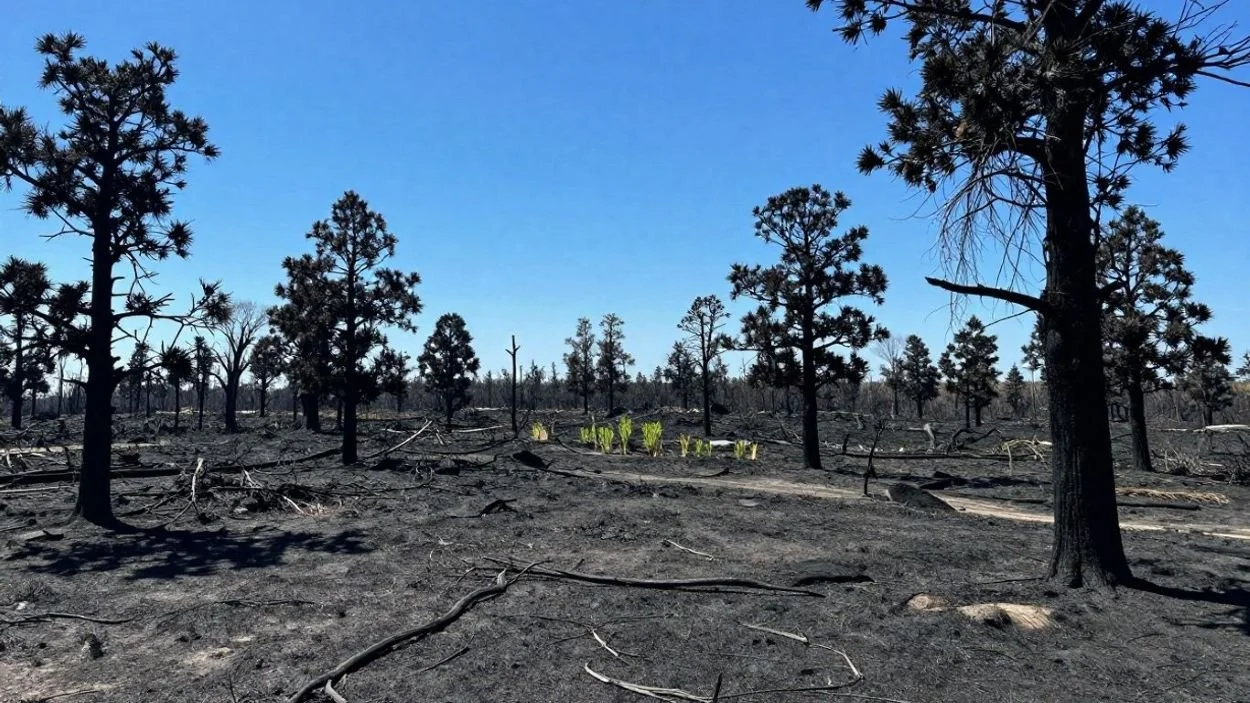
Navigating the Fire Rebuild Process
Rebuilding after the Palisades Fire is not just about putting up new walls — it is a complex journey involving many moving parts. Understanding these steps upfront can make a significant difference in how smoothly things go.
Insurance and Documentation
Dealing with insurance companies after a fire is often the most stressful part of the process. Initial offers frequently do not cover full rebuild costs — especially for modern fire-safe construction. Document everything: every conversation, estimate, and piece of damaged property. Many homeowners work with public adjusters to negotiate a fair settlement.
Debris Removal and Site Preparation
For total-loss properties, debris removal must be completed before permits are issued. The City of Los Angeles and state programs have prioritized debris clearance in fire-affected areas to help homeowners move forward faster.
Permitting and Self-Certification
Permitting is often one of the biggest frustrations for homeowners, but Los Angeles has introduced programs to speed things up. The Self-Certification Pilot Program allows licensed professionals to certify that plans meet code requirements, potentially cutting review delays significantly. More information is available through Los Angeles County.
Design and Pre-Construction Planning
Whether rebuilding to the same footprint or improving the layout, this phase involves working with an architect, designer, and contractor to finalize plans that comply with current fire-safety building codes — and reflect your vision for what comes next.
Construction
Once permits are approved, construction begins. For hillside properties and custom rebuilds, timelines depend on site access, structural engineering, utility work, and finish selections.
Designing for Resilience
Rebuilding after a wildfire is a chance to build smarter and stronger. This is an opportunity to create a home that can withstand the next wildfire — not just survive it.
Fire-Resistant Construction Materials
The choice of materials makes a significant difference. Key specifications to require:
- Roofing: Class A fire-rated materials — metal, tile, or composite shingles designed to shed embers and resist direct flame contact.
- Siding: Fiber cement, stucco, or metal siding that resists high heat and does not burn easily.
- Windows: Dual-paned tempered glass with metal frames — far less likely to break from radiant heat and allow ember intrusion.
- Vents: Fine mesh screens (1/8 inch or smaller) on all attic and foundation vents to block embers from entering the structure.
Incorporating Defensible Space
Defensible space is a strategic zone around your home designed to slow a wildfire's approach. It is a layered system — and an ongoing maintenance commitment, not a one-time task.
Zone 0 — 0 to 5 Feet from the Structure
The most critical area. Use hardscaping: gravel, pavers, or concrete. Remove all flammable vegetation and mulch immediately adjacent to the home. Keep gutters clean and free of debris at all times.
Zone 1 — 5 to 30 Feet
Choose fire-resistant plants, keep grass mowed short, and space trees and shrubs so they are not touching each other or the structure. Remove dead plants and dry leaf accumulation regularly throughout the year.
Zone 2 — 30 to 100 Feet (or to property line)
Reduce the density of trees and shrubs. Remove lower tree branches to create vertical separation — making it harder for ground fire to climb into the canopy and spread toward the structure.
Community-Wide Safety Initiatives
While individual actions are vital, community efforts amplify protection significantly. Programs like Firewise USA encourage neighborhoods to collaborate on risk reduction — organizing clean-up days, developing evacuation plans, and sharing fire-resistant building knowledge. When a whole community commits, it can lead to better insurance recognition and potentially lower premiums across the neighborhood.
Start with a clear scope, realistic budget, and a contractor you can trust.
Lessons Learned from the Palisades Fire
Rebuilding after the Palisades Fire is not just about counting losses — it has become a push for neighborhoods to rethink how they prepare and build for a future with more frequent wildfires.
The Scale of Destruction
By every measure, the Palisades Fire was one of the worst to ever hit Los Angeles.
| Category | Numbers |
|---|---|
| Total structures destroyed | 6,837 |
| Initial estimate (Jan 8, 2025) | 1,900 |
| Damage confirmed by Feb 4, 2025 | 3,501 |
| Schools, churches, and landmarks lost | 6+ |
- Most of the area north of Sunset Blvd burned to the ground.
- Palisades Village outdoor mall survived, but little else downtown.
- Local church archives and music libraries were lost permanently.
Changes in Fire Preparedness
Meaningful changes have emerged from the tragedy:
- Residents are prioritizing defensible space and Firewise landscaping in ways they never did before.
- Emergency alerts and community communications have become more direct and reliable.
- Local rebuild permits are now being processed at roughly three times the pre-fire rate, part of ongoing community recovery efforts.
Future Climate Considerations
Wildfires like the Palisades Fire will happen again — likely more often, driven by longer droughts and stronger Santa Ana winds. Planners and homeowners are now factoring this into every rebuild decision.
Fire-Resistant Design Requirements
New building guidelines require all replacement homes to meet stricter fire-resistant construction specifications than homes built even a decade ago.
Updated Risk Maps
Insurance companies and homeowners now have access to updated risk maps that reflect actual wildfire exposure — directly affecting coverage availability and pricing.
Collaborative Community Planning
Research-backed planning and neighborhood investment are driving new approaches to wildfire recovery — so the failures of January 2025 do not become routine.
Financial Considerations for the Rebuild
Rebuilding after a wildfire is a major financial undertaking. Many homeowners face a gap between what their insurance covers and the actual cost of rebuilding — especially when aiming for a more resilient home that meets today's standards.
Rebuild costs vary depending on square footage, site conditions, finishes, and structural requirements. In the Pacific Palisades area, general benchmarks are:
Standard Rebuild
$350 – $550
Per square foot for a more like-for-like rebuild.
Custom or Upgraded Rebuild
$550 – $900+
Per square foot depending on structure, finishes, and design complexity.
Partial Rebuild
Varies
Requires a detailed scope assessment based on actual fire damage.
Important factors that affect cost include hillside access, structural engineering, grading, utility reconnection, fire-resistant materials, current code compliance, and interior finish selections.
Insurance vs. Rebuild Costs
Gap Risk
Initial insurance settlements often fall short of actual rebuild costs, particularly when incorporating modern fire-resistant materials or meeting updated building codes. Thorough documentation from your contractor is critical.
Delta Funds
Bridge Gap
Programs like the Resilient LA Delta Fund offer loans and grants to homeowners facing a shortfall between their insurance payout and full rebuild cost. Explore all available assistance before breaking ground.
Fire-Resistant Premium
Higher ROI
Properties built with fire-resistant features are commanding premium resale prices in fire-prone areas. A higher upfront investment today pays off in long-term value and insurability.
Strategic Rebuilding Options
After a wildfire, figuring out how to rebuild can feel overwhelming. You have several paths available — each with its own trade-offs.
Utilizing SB9 for Additional Units
California's SB9 law allows up to four units on a single-family lot in qualifying areas, including parts of the Palisades and Altadena. This could mean building a smaller primary home alongside rental units to help offset rebuild costs — or creating a multigenerational home where family members share expenses and support during recovery.
Phased Construction
When rebuilding everything at once is not financially or logistically feasible, a phased approach lets you get back into your community sooner — then expand or upgrade over time. This lets you maintain connections to schools, work, and neighbors without waiting for the complete project to be finished.
Owner Rebuild vs. Developer Activity
When fire hits an area, developers move in quickly. They often have speed and resources, but rebuilding yourself means direct control over design, materials, and the vision for your home. A design-build firm that manages everything from permits to construction offers a streamlined path for homeowners who want both control and efficiency.
Rebuilding to Match vs. Upgrading Your Scope
Many homeowners view the rebuild as an opportunity to create the home they always wanted. If your insurance settlement allows for it, this can be a smart approach — but it requires careful planning. Expanding square footage, changing the floor plan, or upgrading finishes beyond the original scope may require additional permits and may not be covered by insurance. A good contractor will help you understand what your insurance covers versus what you will pay out of pocket, so there are no surprises midway through construction.
How to Choose the Right Contractor
The Los Angeles fire rebuild has attracted contractors from across the country — not all of them reputable. As you evaluate builders, look for:
- California State Contractor's License
- Local experience in West Los Angeles and hillside construction
- Proven track record with fire rebuilds and major renovation projects
- Transparent, itemized estimates
- Clear contracts with defined payment schedules
- Strong references from past clients
Beware of contractors who ask for large upfront payments, pressure you to sign quickly, or cannot provide a current license and insurance certificate.
Owner-Led Rebuild Guidance for West Los Angeles Homeowners
Overland Remodeling & Builders is a locally licensed general contractor with deep roots in West Los Angeles — the same communities hit hardest by the Palisades Fire.
We understand the terrain, the local permit offices, hillside construction challenges, and the quality standards that West LA homeowners expect. We work closely with homeowners, architects, designers, and insurance teams to make the rebuild process as smooth as possible.
If you lost your home in the Palisades Fire, we are here to help — not just as a contractor, but as your neighbor.
The sooner you start, the sooner you can be home.
Contact Overland Remodeling & Builders today for a consultation and rebuild assessment. We serve Pacific Palisades, Brentwood, Santa Monica, Malibu, Bel Air, Mar Vista, Culver City, and surrounding West Los Angeles communities.
Frequently Asked Questions
How long does it take to rebuild after the Palisades Fire?
Rebuilding typically takes 18 months to 2.5 years, depending on insurance settlement speed, design complexity, and permitting. Expedited permitting programs for like-for-like rebuilds can help accelerate the timeline considerably.
What makes a home more fire-resistant?
Key upgrades include Class A fire-rated roofing, fiber cement or stucco siding, tempered dual-pane windows with metal frames, and fine mesh ember-blocking screens on all vents. Eliminating exposed wood on the exterior and maintaining clear defensible space are equally important.
What is defensible space and why does it matter?
Defensible space is a managed zone around your home — cleared of flammable vegetation — that slows a wildfire's approach and gives firefighters a better chance to save the structure. It is required by California law and especially critical in hillside areas like Pacific Palisades.
Can I build additional units on my lot when rebuilding?
In qualifying areas, California's SB9 law allows up to four separate living units on a single-family lot. This can help offset rebuild costs through rental income. Zoning rules vary by location — a contractor familiar with local regulations can help you understand what is permitted on your specific property.
What if my insurance doesn't cover the full rebuild cost?
Insurance shortfalls are common, especially with rising construction costs. Programs such as the Resilient LA Delta Fund offer loans and grants to bridge the gap. Working with an experienced contractor who provides detailed scope-of-work estimates also helps ensure your insurance claim reflects the true cost of rebuilding.
How can the community support the rebuild process?
Community programs like Firewise USA encourage neighbors to collaborate on vegetation management, evacuation planning, and fire-resistant building practices. A coordinated community approach reduces collective risk and can, in some cases, improve insurance rates across the entire neighborhood.